

NMEA 0183 vs NMEA 2000 vs OneNet: Understanding Marine Networking Standards
Jun
Marine electronics have evolved dramatically over the last few decades.
What began as simple point-to-point communication between individual instruments has developed into intelligent onboard networks capable of sharing data across navigation systems, engines, displays, mobile devices and cloud-connected applications.
If you’re upgrading equipment, planning a new installation, or integrating devices from different generations, you’ll likely encounter three standards:
- NMEA 0183 – the long-established serial communication standard
- NMEA 2000 (N2K) – the modern marine device network
- OneNet – the newest Ethernet-based networking architecture
Understanding how they differ makes it easier to design systems that work today while remaining flexible for the future.

What is NMEA?
NMEA stands for the National Marine Electronics Association, the organisation responsible for defining communication standards used across marine electronics.
These standards allow equipment from different manufacturers to exchange information consistently.
Examples of shared data include:
- GPS position
- Heading and speed
- Wind and weather data
- Depth information
- Engine monitoring
- AIS targets
- Navigation routes
- System diagnostics
Without standardised communication, integrating marine electronics from multiple manufacturers would become significantly more complicated.
Over time, these standards have evolved to support increasing amounts of data and more connected onboard environments.
NMEA 0183 – The Proven Legacy Standard
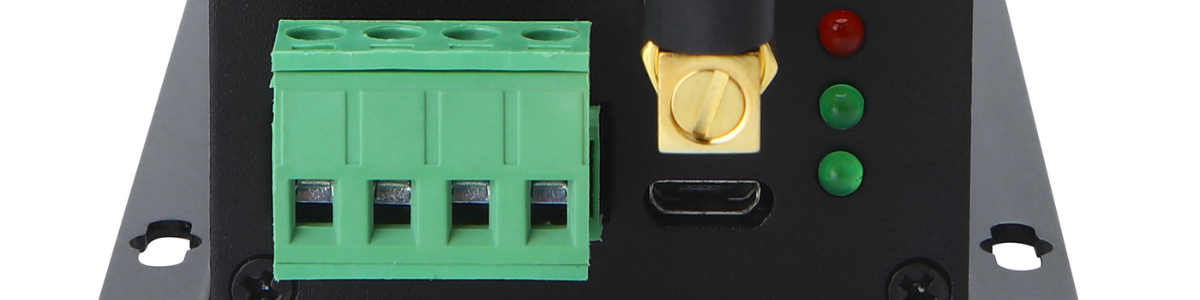
NMEA 0183 has been the foundation of marine communications for decades and remains widely installed across recreational and commercial vessels.
It uses a serial point-to-point architecture, where one device sends data directly to another.
Typical examples include:
GPS → Chart Plotter
AIS Receiver → Navigation Software
Depth Sounder → Display
This simple communication model made installation straightforward for smaller systems.
Why NMEA 0183 is still widely used
- Large installed equipment base
- Reliable communication
- Works well for simple systems
- Cost-effective to maintain existing installations
Limitations of NMEA 0183
As onboard systems expand, additional wiring and data management become more complex.
Sharing information between multiple devices often requires multiplexing or protocol conversion.
For many boat owners, replacing every existing instrument isn’t practical, which is why integration remains an important part of modern upgrades.
NMEA 2000 – The Modern Marine Network
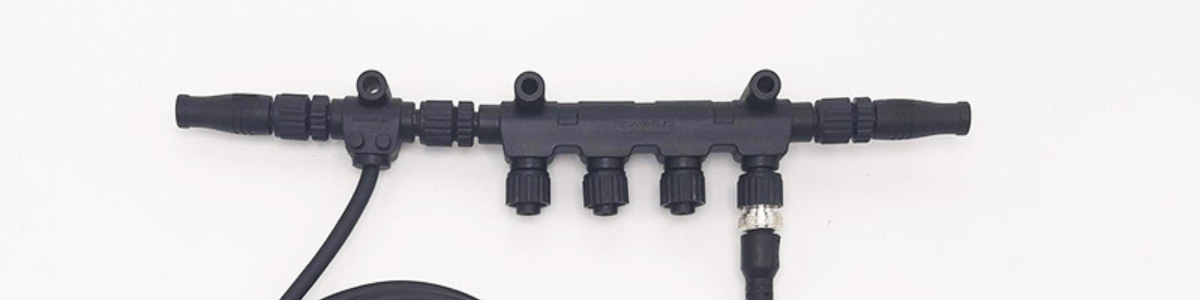
NMEA 2000 was introduced to simplify installation and allow multiple devices to communicate through a shared network.
Rather than connecting devices individually, NMEA 2000 uses a backbone architecture based on CAN bus technology.
Each connected device can both send and receive information across the network.
Example:
GPS + AIS + Wind + Engine + Autopilot → Shared NMEA 2000 Backbone → Multiple Displays
This creates a cleaner, more scalable onboard environment.
Why NMEA 2000 became the industry standard
- Faster communication
- Reduced wiring complexity
- Plug-and-play expansion
- Shared access to onboard data
- Easier integration between devices
Today, NMEA 2000 is commonly found in modern chart plotters, engine systems, instrument displays and integrated navigation platforms.
For many vessels, it provides the ideal balance between capability and simplicity.
OneNet – The Next Step in Marine Connectivity
As marine systems continue to evolve, another standard is emerging: OneNet.
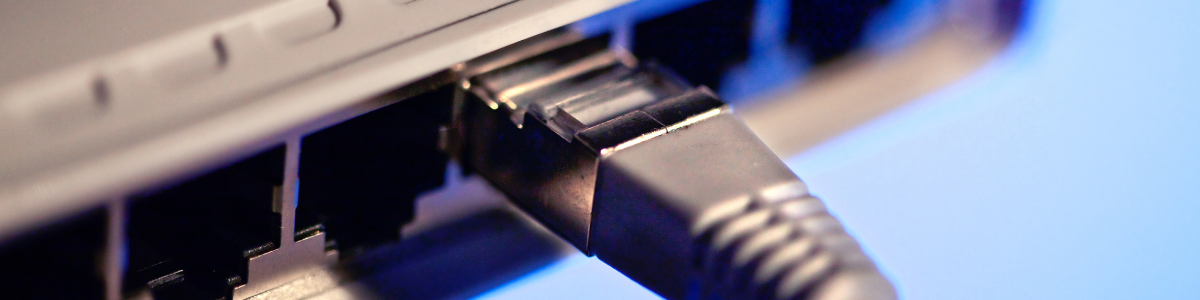
OneNet builds on the principles of connected marine electronics but moves communication onto standard Ethernet and IP networking technology.
Where NMEA 2000 focuses on efficient device communication, OneNet is designed to support larger amounts of data and more flexible network structures.
This enables future possibilities such as:
- Higher-bandwidth communication
- Multiple displays accessing the same information
- Standard Ethernet infrastructure onboard
- Improved scalability
- Support for increasingly connected marine environments
OneNet is not intended to replace NMEA 2000.
Instead, the standards are designed to coexist.
NMEA 2000 remains extremely effective for marine instrumentation and control systems, while OneNet introduces greater flexibility for larger and more data-intensive environments.
Comparing NMEA 0183, NMEA 2000 and OneNet
| Feature | NMEA 0183 | NMEA 2000 | OneNet |
| Architecture | Point-to-point | Shared CAN network | Ethernet/IP network |
| Communication | Serial | Multi-device | Network-based |
| Data Capacity | Lower | Medium | Higher |
| Installation | Individual wiring | Backbone network | Ethernet infrastructure |
| Expansion | Limited | Scalable | Highly scalable |
| Typical Use | Legacy equipment | Modern marine systems | Future connected systems |
Do You Need to Upgrade Everything?
Usually not. Most real-world marine installations don’t move directly from one standard to another.
Instead, systems evolve over time.
A common setup today may include:
- Existing NMEA 0183 instruments
- Newer NMEA 2000 displays
- Wireless access for tablets and applications
- Preparation for future Ethernet-based connectivity
This layered approach allows existing equipment to continue delivering value while gradually expanding capability.
Connecting Different Standards Together
One of the biggest challenges in marine electronics is not choosing a standard, it’s making different standards work together.
Many installations involve a mix of generations and communication methods.
For example:
- Existing sensors operating on NMEA 0183
- New displays connected through NMEA 2000
- Wireless monitoring across onboard devices
- Future expansion toward Ethernet-based networking
This is where gateways, protocol converters and data integration tools become useful.
At Quark-Elec, much of the focus is on helping boat owners and installers bridge these environments, enabling older and newer technologies to exchange information without unnecessary replacement of working equipment.
The result is a more connected system that grows over time rather than requiring a complete redesign.
Final Thoughts
NMEA 0183, NMEA 2000 and OneNet each represent a stage in the evolution of marine networking.
- NMEA 0183 remains dependable and widely deployed
- NMEA 2000 provides the foundation for modern integrated systems
- OneNet points toward increasingly connected marine environments
For most boat owners, the goal isn’t selecting a single standard, it’s creating a system where existing and future technologies can work together efficiently.
The strongest marine networks are rarely built all at once. They evolve through thoughtful integration.
