How to Choose Between an AIS Transponder with a Built-In Splitter or a Dedicated VHF/AIS splitter

When you’re installing an AIS transponder on your vessel, one of the first questions is: how should it share the VHF antenna? AIS and VHF radios both want access to the same antenna, and this requires careful planning. There are two common approaches: Using an AIS transponder with a built-in splitter or using a dedicated […]
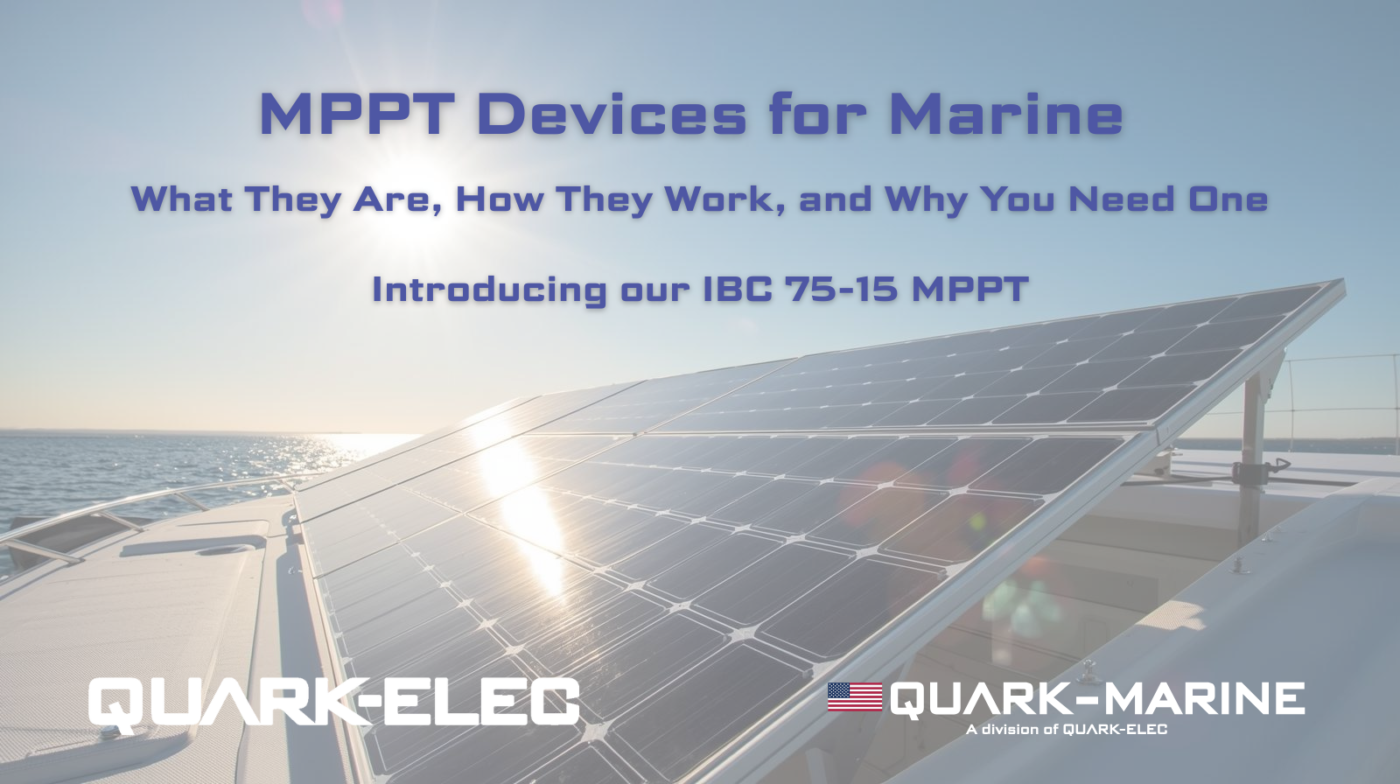
MPPT Devices for Marine: What They Are, How They Work, and Why You Need One

Modern vessels rely more than ever on onboard electrical systems. From navigation electronics and lighting to refrigeration and communication equipment, dependable power is essential. Solar power has become a popular solution for keeping batteries charged while at sea or at anchor, and at the heart of an efficient marine solar system is the MPPT device. […]

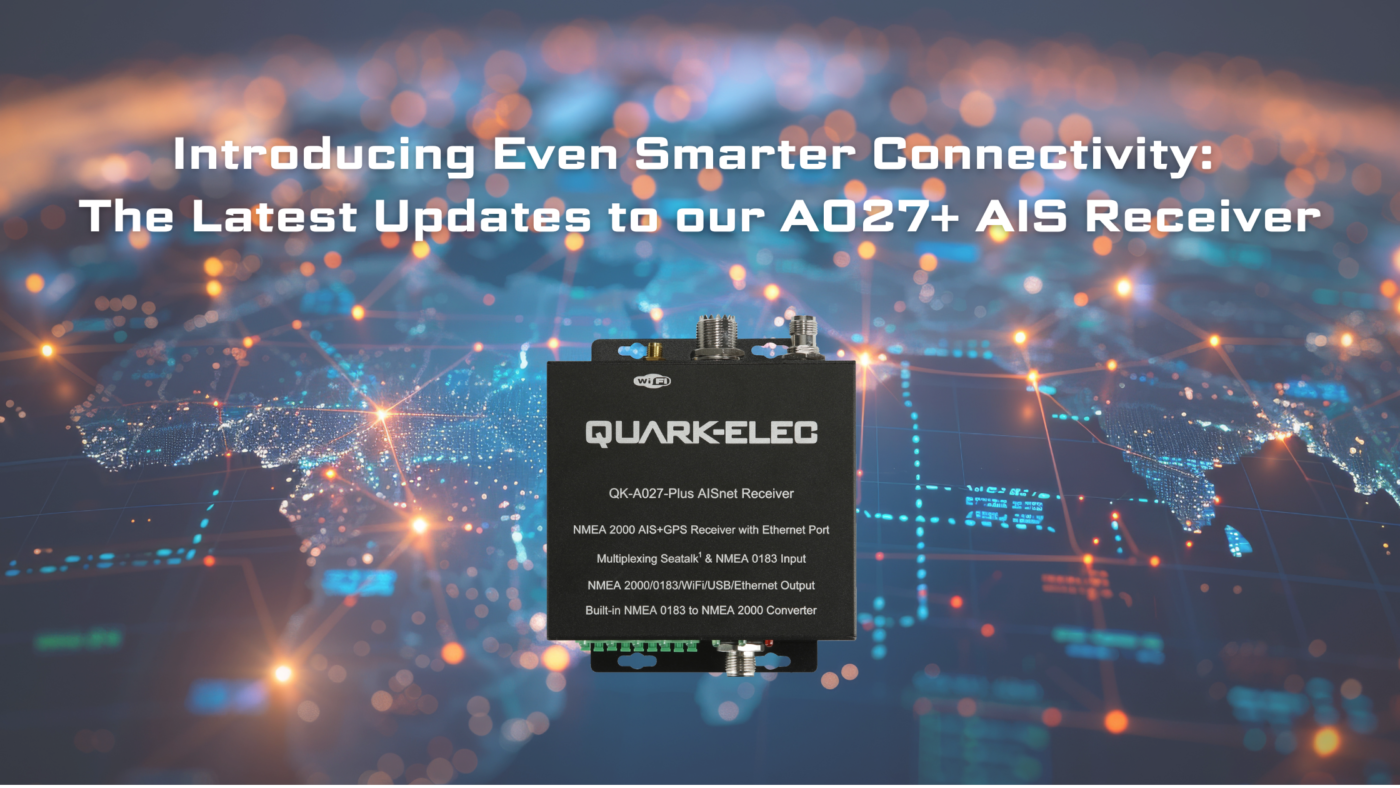
Introducing Even Smarter Connectivity: The Latest Updates to our A027+ AIS Receiver

Introducing Even Smarter Connectivity The Latest Updates to our A027+ AIS Receiver

We’re excited to announce major enhancements to our A027+ NMEA 2000 AIS Receiver, making an already powerful marine navigation tool even more capable and future-ready. Our A027+ has always been known for its robust AIS and GPS reception, high-range marine tracking, and flexible output options (including Wi-Fi, Ethernet, USB and NMEA-2000) all wrapped up in […]

MMSI: What It Is and Why It’s Regulated

Imagine you’re setting sail on a calm afternoon. The radio crackles, a digital distress alert flashes across your screen. Within seconds, rescue services know exactly which vessel sent it, where it is, and how to reach it.That’s not luck! It’s the Maritime Mobile Service Identity, (MMSI) in action! ⚓ What Is an MMSI? An MMSI […]

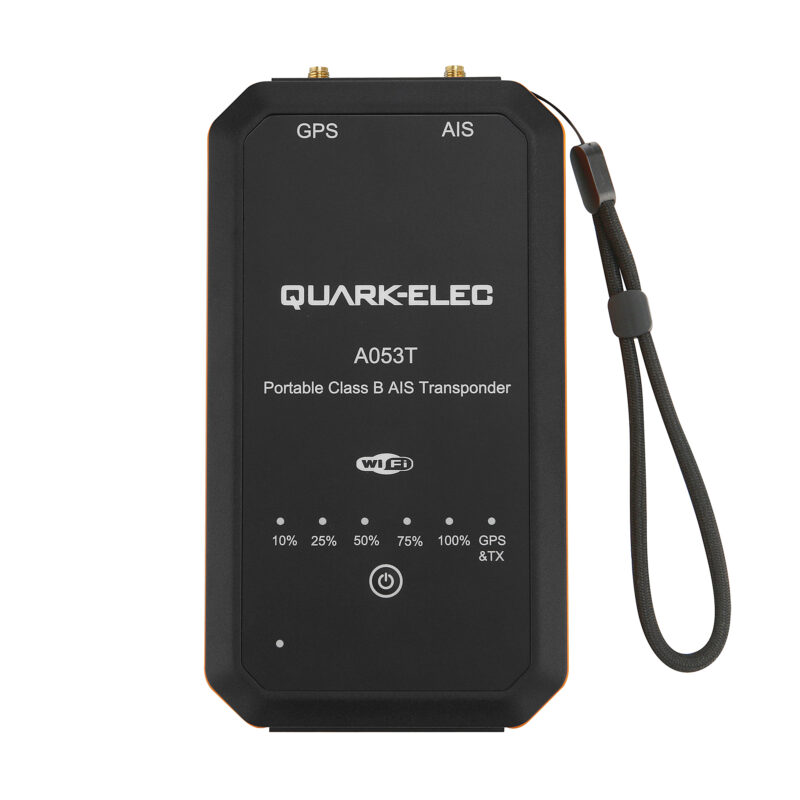
Who Needs a Portable AIS? A Case for the Quark‑elec A053T Portable Class B AIS Transponder

Who Needs a Portable AIS Transponder — and Why Over the past few years, AIS (Automatic Identification System) has proven to be one of the essential pieces of kit to found on board vessels across the globe. While you may find fixed permanent AIS Transponders/Recovers on board larger vessels, this is not always possible. Especially […]

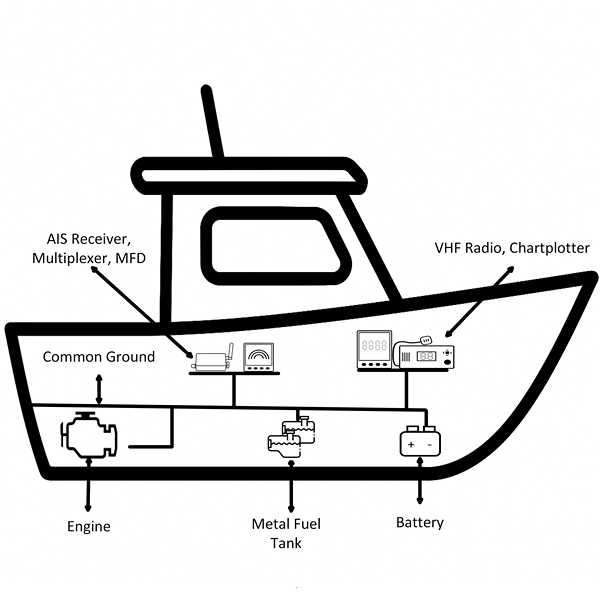
Why is a common ground essential? Safety with Quark-elec

When you’re out on the water, reliability isn’t just a luxury—it’s a necessity. From navigation systems and radios to bilge pumps and fish finders, your boat’s electronics are only as dependable as the power system behind them. One often-overlooked but critical part of that system is the common ground. What is a Common Ground? In […]

Communication at Sea. Why you need the C201.

C201 VHF DSC Radio

Unwavering Reliability in Rough Conditions The C201 is IPX7-rated waterproof, capable of being submerged up to 1 meter for 30 minutes without compromising performance. Its rugged, water-resistant build ensures it keeps working even when the sea throws its worst at you. Moreover, the water-clearing speaker automatically expels water to restore clear audio—a vital feature when […]

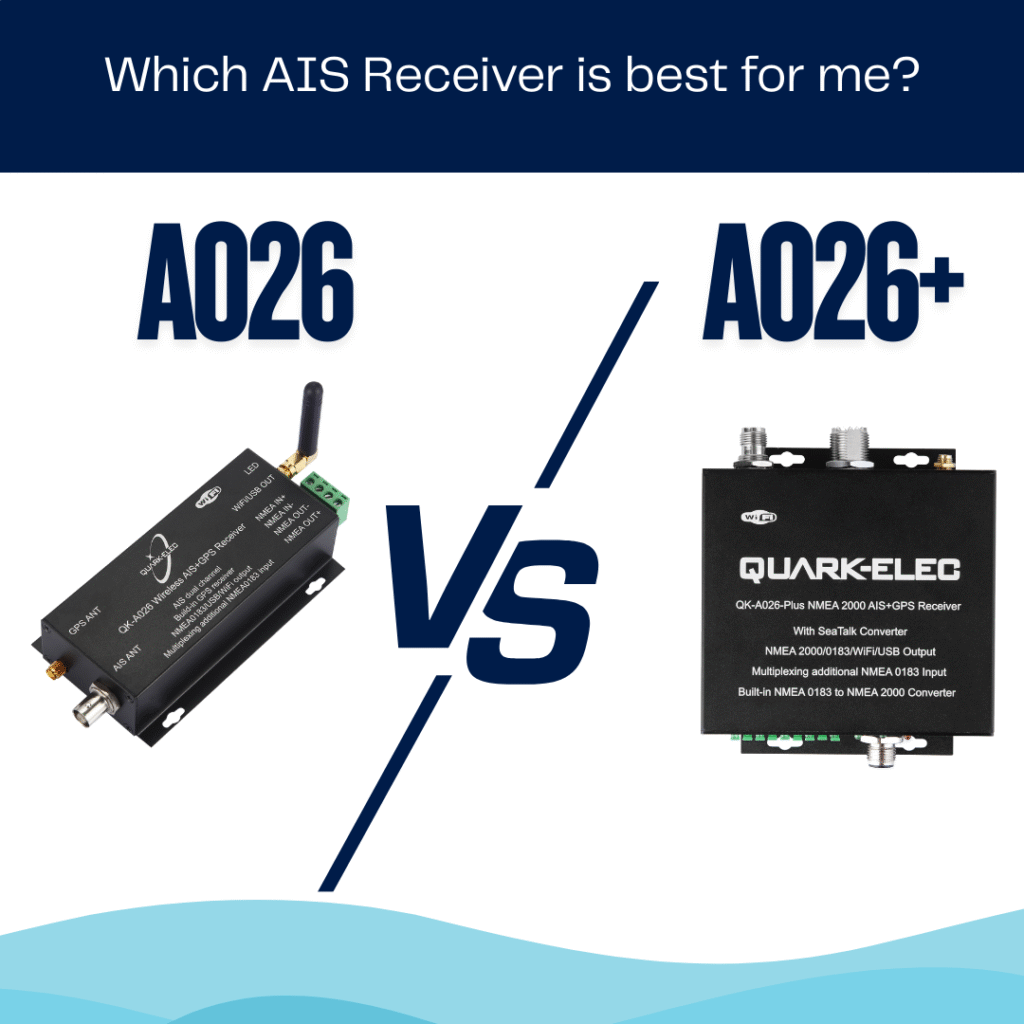
Which AIS Receiver is best for me? A026 or A026+?

When stepping into the world of AIS (Automatic Identification System) receivers, Quark-Elec’s A026 and A026+ are two popular choices—each packed with useful features. But which one really suits your boating needs? Let’s compare them across key aspects to help you make an informed decision. 1. Core Features Compared Here’s a side-by-side overview based on technical […]

AS10: Temperature, Humidity & Pressure Sensor

If you’re looking for real-time, reliable environmental data onboard—all without the fuss of multiple devices—your search ends here. Meet the AS10 NMEA 2000 3-in-1 Environmental Sensor, Quark-elec’s latest marine-grade sensor that combines air temperature, humidity, and barometric pressure in a single, compact unit. Why the AS10 is a Must-Have for US Boat Owners Fast Installation, […]

SeaTalkNG and NMEA 2000. The lowdown.

🛰️ Using Quark-elec NMEA 2000 Devices with Raymarine SeaTalk NG* – Here’s What You Need to Know Thinking about connecting your Quark-elec NMEA 2000 AIS, GPS, or wireless gateway to a Raymarine system? Or connecting Raymarine equipment to your NMEA 2000 network? You’re not alone—and yes, it’s possible! Here’s a quick breakdown: SeaTalk NG* is Raymarine’s […]